

As a supplier of Concrete Floor Blasters, I often receive inquiries from industrial workshop owners regarding the suitability of our equipment for their concrete floors. In this blog post, I will delve into the details of whether a Concrete Floor Blaster can be effectively used on concrete floors in industrial workshops, exploring the benefits, considerations, and applications.

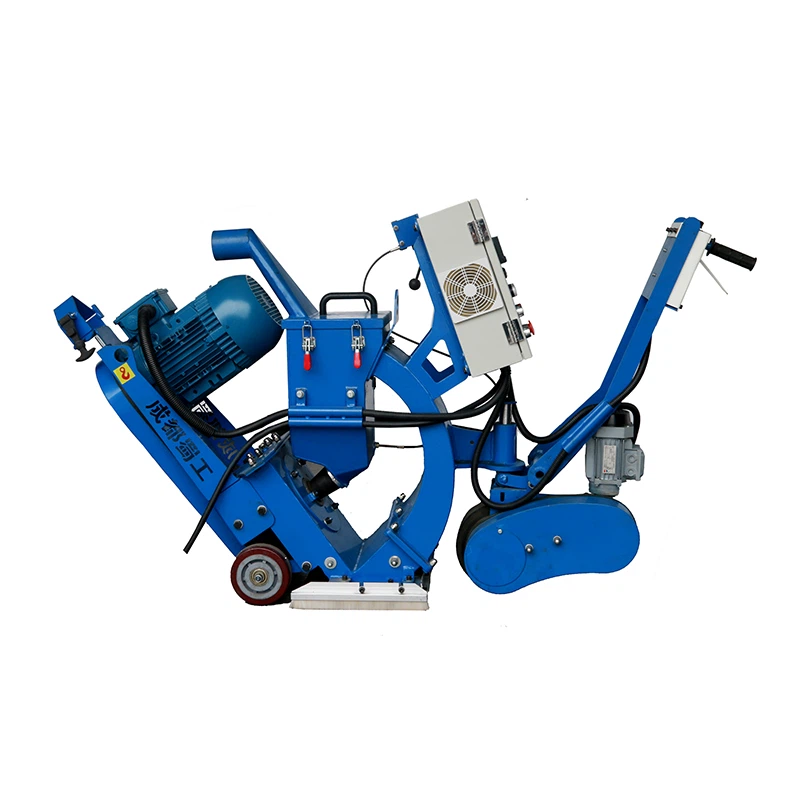
Understanding the Concrete Floor Blaster
A Concrete Floor Blaster, also known as a Concrete Floor Shot Blasting Machine, is a powerful tool designed to clean, prepare, and profile concrete surfaces. It operates by propelling abrasive media at high speeds onto the concrete floor, removing contaminants, coatings, and surface imperfections while creating a rough texture for better adhesion of coatings or overlays.
Benefits of Using a Concrete Floor Blaster in Industrial Workshops
1. Surface Preparation
In industrial workshops, concrete floors are often subjected to heavy traffic, chemical spills, and abrasion. A Concrete Floor Blaster can effectively remove dirt, oil, grease, paint, and other contaminants from the surface, preparing it for new coatings or repairs. This ensures a strong bond between the concrete substrate and the applied materials, enhancing the durability and longevity of the floor.
2. Surface Profiling
Profiling the concrete surface is crucial for improving the adhesion of coatings and overlays. A Concrete Floor Blaster can create a uniform and consistent profile on the floor, increasing the surface area for bonding and preventing delamination. This is especially important in industrial environments where the floor may be exposed to heavy loads, vibrations, and chemical agents.
3. Dust-Free Operation
Unlike traditional methods of concrete floor preparation, such as grinding or sandblasting, a Concrete Floor Blaster operates in a dust-free environment. The machine is equipped with a dust collection system that captures the abrasive media and debris generated during the blasting process, preventing them from spreading into the air. This not only creates a safer and healthier working environment but also reduces the cleanup time and cost.
4. Efficiency and Productivity
A Concrete Floor Blaster is a highly efficient and productive tool for concrete floor preparation. It can cover large areas quickly and effectively, reducing the time and labor required for manual cleaning and preparation. This allows industrial workshop owners to minimize downtime and resume operations as soon as possible.
Considerations for Using a Concrete Floor Blaster in Industrial Workshops
1. Floor Condition
Before using a Concrete Floor Blaster, it is important to assess the condition of the concrete floor. The machine is most effective on floors that are relatively flat, smooth, and free of major cracks or damage. If the floor has significant structural issues or unevenness, it may be necessary to repair or level the surface before blasting.
2. Abrasive Media Selection
The choice of abrasive media depends on the specific requirements of the project. Different types of abrasive media, such as steel shot, grit, or crushed glass, have different properties and characteristics. It is important to select the appropriate abrasive media based on the hardness, density, and shape of the concrete surface, as well as the desired level of surface profiling.
3. Safety Precautions
Using a Concrete Floor Blaster requires strict adherence to safety precautions. Operators should wear appropriate personal protective equipment (PPE), including safety glasses, ear protection, gloves, and respirators. The work area should be properly ventilated to prevent the accumulation of dust and fumes. Additionally, the machine should be operated by trained and experienced personnel to ensure safe and efficient operation.
4. Noise and Vibration
Concrete Floor Blasters can generate significant noise and vibration during operation. It is important to consider the impact of these factors on the surrounding environment and nearby workers. Appropriate noise and vibration control measures, such as using soundproofing materials or installing vibration isolators, may be necessary to minimize the disturbance.
Applications of Concrete Floor Blasters in Industrial Workshops
1. Warehouse Floors
Warehouse floors are often subjected to heavy traffic, forklift operations, and pallet storage. A Concrete Floor Blaster can effectively clean and prepare the floor for new coatings or overlays, improving its durability and resistance to wear and tear.
2. Manufacturing Floors
Manufacturing floors may be exposed to chemical spills, oil stains, and heavy machinery. A Concrete Floor Blaster can remove these contaminants and create a clean and smooth surface for better traction and safety. It can also prepare the floor for the installation of epoxy coatings or other protective finishes.
3. Automotive Workshops
Automotive workshops require floors that are resistant to oil, grease, and chemicals. A Concrete Floor Blaster can remove these substances from the surface and create a rough texture for better adhesion of coatings. This helps to prevent slipping and provides a clean and professional appearance.
4. Food Processing Facilities
Food processing facilities have strict hygiene requirements. A Concrete Floor Blaster can effectively clean and sanitize the floor, removing bacteria, mold, and other contaminants. It can also prepare the floor for the installation of non-slip coatings or epoxy flooring, ensuring a safe and clean working environment.
Conclusion
In conclusion, a Concrete Floor Blaster is a versatile and effective tool for concrete floor preparation in industrial workshops. It offers numerous benefits, including surface preparation, profiling, dust-free operation, efficiency, and productivity. However, it is important to consider the floor condition, abrasive media selection, safety precautions, and noise and vibration factors before using the machine. By carefully evaluating these factors and following the recommended guidelines, industrial workshop owners can achieve optimal results and enhance the performance and longevity of their concrete floors.
If you are interested in learning more about our Concrete Floor Shot Blasting Machine or Shot Blasting Machine Coating Shot Blasting Equipment, or Concrete Blasting Equipment, please feel free to contact us for more information. We are happy to assist you in finding the right solution for your concrete floor preparation needs.
References
- ASTM International. Standard Practice for Surface Preparation of Concrete for Coating. ASTM D4258-16.
- SSPC: The Society for Protective Coatings. Surface Preparation and Coating Application on Concrete. SSPC-SP 13/NACE No. 6.
- Concrete Construction Magazine. Shot Blasting for Concrete Floor Preparation.


