

Can a Concrete Floor Blaster be used on wet concrete floors?
As a supplier of Concrete Floor Blasters, I often receive inquiries from customers regarding the compatibility of our equipment with wet concrete floors. This is a crucial question, as the answer can significantly impact the efficiency and effectiveness of floor preparation projects. In this blog post, I will delve into the details of using a Concrete Floor Blaster on wet concrete floors, exploring the potential benefits, challenges, and best practices.
Understanding Concrete Floor Blasters
Before we discuss the use of Concrete Floor Blasters on wet concrete floors, let's first understand what these machines are and how they work. A Concrete Floor Blaster, also known as a shot blaster, is a powerful piece of equipment used for surface preparation. It works by propelling abrasive materials, such as steel shot or grit, at high speeds onto the concrete surface. This process effectively removes contaminants, coatings, and unevenness, leaving a clean, textured surface ready for further treatment.
Concrete Floor Blasters are commonly used in a variety of applications, including industrial flooring, commercial construction, and residential renovations. They are particularly useful for preparing floors for coatings, adhesives, or overlays, as they create a rough surface that improves adhesion and ensures a long-lasting finish.
The Case for Using a Concrete Floor Blaster on Wet Concrete Floors
In some situations, using a Concrete Floor Blaster on wet concrete floors can be advantageous. One of the main benefits is that wet blasting can help to reduce dust generation. When blasting dry concrete, a significant amount of dust is produced, which can be a health hazard for workers and a nuisance for the surrounding environment. By using water during the blasting process, the dust is suppressed, creating a cleaner and safer work environment.
Another advantage of wet blasting is that it can help to prevent the concrete from overheating. When blasting dry concrete, the friction generated by the abrasive materials can cause the surface to heat up, which can lead to damage or cracking. By using water to cool the surface, the risk of overheating is reduced, ensuring a more consistent and reliable blasting process.
In addition, wet blasting can be more effective in removing certain types of contaminants, such as oil, grease, and paint. The water helps to loosen and dissolve these substances, making them easier to remove with the abrasive materials. This can result in a more thorough and efficient cleaning process, saving time and money in the long run.
The Challenges of Using a Concrete Floor Blaster on Wet Concrete Floors
While there are some benefits to using a Concrete Floor Blaster on wet concrete floors, there are also several challenges that need to be considered. One of the main challenges is that wet blasting can be more difficult to control than dry blasting. The water can cause the abrasive materials to spread out more, making it harder to achieve a uniform finish. This can result in uneven surfaces or areas that are not properly cleaned.
Another challenge is that wet blasting can require additional equipment and resources. In addition to the Concrete Floor Blaster itself, you will need a water supply, a water recycling system, and appropriate drainage. This can increase the cost and complexity of the project, as well as the time required for setup and cleanup.
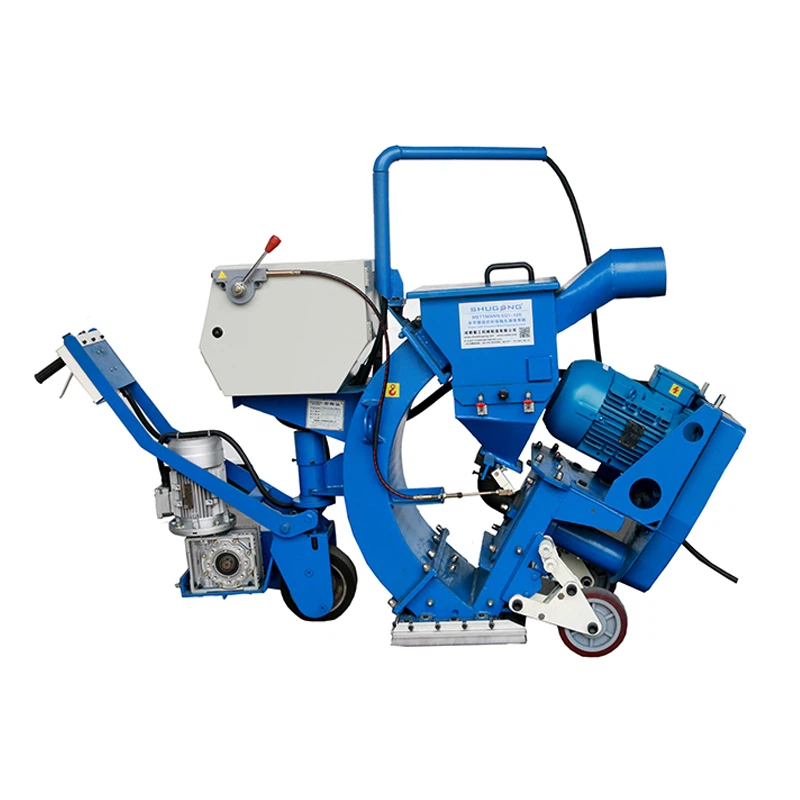

Finally, using a Concrete Floor Blaster on wet concrete floors can also pose a risk of corrosion to the equipment. The water and abrasive materials can cause rust and damage to the metal components of the machine, reducing its lifespan and performance. To prevent this, it is important to use high-quality equipment that is designed for wet blasting and to properly maintain and clean the machine after each use.
Best Practices for Using a Concrete Floor Blaster on Wet Concrete Floors
If you decide to use a Concrete Floor Blaster on wet concrete floors, there are several best practices that you should follow to ensure a successful and efficient project. Here are some tips to keep in mind:
- Choose the Right Equipment: Make sure you select a Concrete Floor Blaster that is specifically designed for wet blasting. Look for a machine that has a high-powered motor, a durable construction, and a reliable water recycling system. Some of our recommended products include the EBE500 Steel Blasters, which are known for their excellent performance and durability, and the 24 Month Warranty CE/SGS Certificate Mark Line Shot Blasting Equipment, which offer a long-term guarantee and high-quality construction.
- Prepare the Surface: Before you start blasting, make sure the concrete surface is clean and free of debris. Remove any loose dirt, dust, or contaminants using a broom or vacuum cleaner. If there are any oil or grease stains, you may need to use a degreaser to clean the surface.
- Set Up the Equipment: Follow the manufacturer's instructions to set up the Concrete Floor Blaster and the water supply system. Make sure the water pressure and flow rate are adjusted correctly to ensure a consistent and effective blasting process.
- Use the Right Abrasive Material: Choose an abrasive material that is suitable for wet blasting and the type of concrete surface you are working on. Some common abrasive materials include steel shot, grit, and sand. Make sure the abrasive material is clean and free of contaminants to prevent damage to the equipment and the concrete surface.
- Control the Blasting Process: When blasting wet concrete floors, it is important to control the speed, pressure, and angle of the blasting nozzle to ensure a uniform finish. Move the nozzle in a consistent pattern and avoid overlapping the same area too many times. This will help to prevent uneven surfaces and ensure a smooth and even finish.
- Monitor the Water Level: Keep an eye on the water level in the water recycling system to make sure it does not run out. If the water level gets too low, the abrasive materials may not be properly cooled, which can lead to overheating and damage to the equipment.
- Clean and Maintain the Equipment: After each use, make sure to clean and maintain the Concrete Floor Blaster and the water recycling system. Remove any remaining abrasive materials and water from the machine, and dry it thoroughly to prevent corrosion. Follow the manufacturer's instructions for regular maintenance and servicing to ensure the equipment stays in good working condition.
Conclusion
In conclusion, using a Concrete Floor Blaster on wet concrete floors can be a viable option in certain situations. It can help to reduce dust generation, prevent overheating, and remove certain types of contaminants more effectively. However, it also presents several challenges, such as difficulty in control, additional equipment requirements, and the risk of corrosion. By following the best practices outlined in this blog post, you can minimize these challenges and ensure a successful and efficient project.
If you are considering using a Concrete Floor Blaster on wet concrete floors, or if you have any other questions about our products, please do not hesitate to contact us. We are a leading supplier of Shot Blasting Machine Coating Shot Blasting Equipment and have a team of experts who can provide you with the advice and support you need. We look forward to hearing from you and helping you with your floor preparation needs.
References
- Concrete Construction Handbook, 10th Edition, by PCA
- Shot Blasting Technology: Principles and Applications, by ASM International
- Industrial Flooring: Design, Installation, and Maintenance, by CRC Press
