

Floor shot blast machines are indispensable tools in the industrial cleaning and surface preparation sector. As a leading supplier of floor shot blast machines, I'm often asked about how these powerful machines clean the floor. In this blog post, I'll delve into the working principles, components, and benefits of floor shot blast machines, and explain how they achieve efficient and high - quality floor cleaning.
Working Principles of Floor Shot Blast Machines
The fundamental principle behind a floor shot blast machine is the use of high - velocity abrasive particles to impact the floor surface. This process, known as shot blasting, effectively removes contaminants, coatings, and unevenness from the floor.
When the machine is in operation, an impeller inside the blasting chamber rotates at high speed. The abrasive particles, such as steel shots or grits, are fed into the impeller. The centrifugal force generated by the rotating impeller accelerates the abrasive particles, propelling them towards the floor surface at a very high velocity.
As these abrasive particles hit the floor, they break up and remove dirt, old paint, rust, and other unwanted materials. The impact of the particles also creates a rough surface profile, which is beneficial for subsequent coating applications as it improves the adhesion of the new coating.
Components of a Floor Shot Blast Machine
To understand how a floor shot blast machine cleans the floor, it's essential to know its key components:
- Blasting Chamber: This is the heart of the machine where the abrasive particles are accelerated and directed towards the floor. The chamber is designed to contain the blasting process and prevent the escape of abrasive particles.
- Impeller: As mentioned earlier, the impeller is responsible for accelerating the abrasive particles. It consists of a series of blades that spin at high speed, imparting kinetic energy to the particles.
- Abrasive Feeding System: This system ensures a continuous supply of abrasive particles to the impeller. It can be a gravity - fed system or a mechanical conveyor system, depending on the design of the machine.
- Dust Collection System: Shot blasting generates a significant amount of dust. The dust collection system is used to capture and remove the dust from the blasting area. It typically includes a dust collector, filters, and a suction fan. A well - functioning dust collection system not only keeps the working environment clean but also protects the health of the operators.
- Recovery System: After the abrasive particles have hit the floor, they need to be recovered and reused. The recovery system is designed to collect the used abrasive particles, separate them from the debris, and return them to the abrasive feeding system.
Types of Floor Shot Blast Machines and Their Applications
There are different types of floor shot blast machines available in the market, each suitable for specific applications:
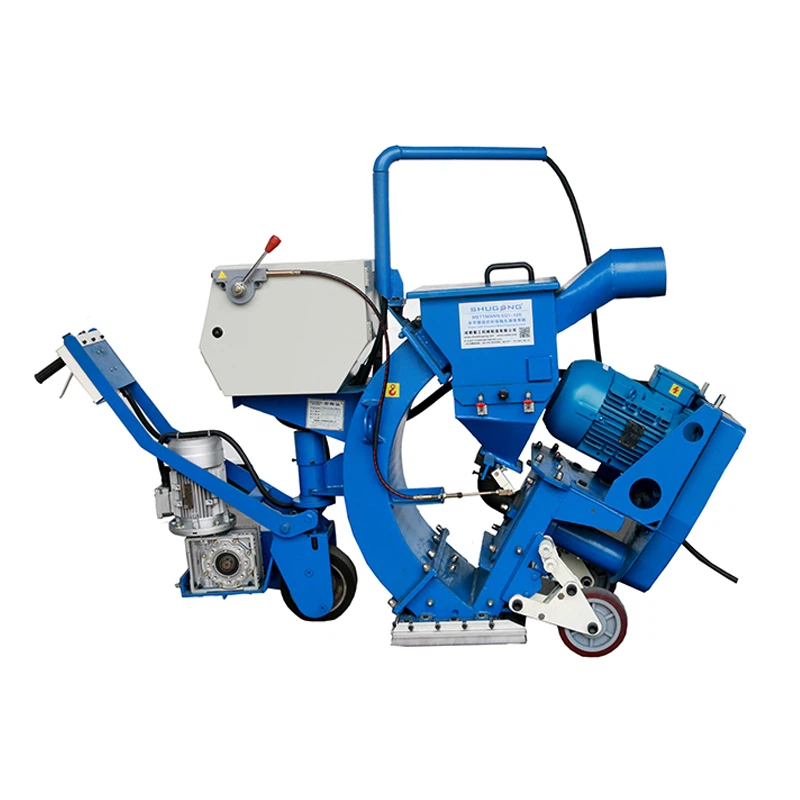

- EBE500 Steel Blasters: The EBE500 Steel Blasters are highly efficient machines designed for heavy - duty applications. They are capable of removing thick coatings, rust, and scale from steel floors. These machines are often used in industrial settings such as factories, warehouses, and shipyards.
- Steel Shot Blaster: The Steel Shot Blaster is a versatile machine that can be used on both steel and concrete floors. It uses steel shots as the abrasive material, which are very effective in removing contaminants and creating a rough surface profile. This type of machine is commonly used in surface preparation for new construction projects, as well as in the maintenance of existing floors.
- Concrete Blasting Machine: The Concrete Blasting Machine is specifically designed for cleaning and preparing concrete floors. It can remove dirt, old coatings, and laitance from the concrete surface, leaving a clean and rough surface for better adhesion of new coatings or overlays. This machine is widely used in the construction, renovation, and restoration of commercial and residential buildings.
Advantages of Using Floor Shot Blast Machines for Floor Cleaning
- Efficiency: Floor shot blast machines can clean large areas of the floor in a relatively short time. The high - velocity impact of the abrasive particles allows for quick removal of contaminants, reducing the overall cleaning time.
- Quality: The shot - blasting process creates a uniform and consistent surface profile, which is crucial for the quality of subsequent coating applications. It ensures better adhesion of the coating, leading to a longer - lasting and more durable finish.
- Environment - friendly: Compared to traditional floor cleaning methods that may involve the use of chemicals, shot blasting is a more environmentally friendly option. It doesn't produce harmful chemical waste, and the abrasive particles can be recycled and reused.
- Safety: Modern floor shot blast machines are equipped with advanced safety features, such as dust collection systems and protective enclosures. These features help to create a safe working environment for the operators, reducing the risk of exposure to dust and other hazards.
Step - by - Step Process of Floor Cleaning with a Shot Blast Machine
- Preparation: Before starting the shot - blasting process, the floor needs to be prepared. This includes removing any loose debris, marking off the area to be cleaned, and ensuring that the machine is in good working condition.
- Machine Setup: The shot blast machine is set up in the designated area. The abrasive particles are loaded into the abrasive feeding system, and the dust collection system is connected and activated.
- Blasting Operation: The machine is started, and the operator guides it across the floor surface. The impeller accelerates the abrasive particles, which are then propelled towards the floor. The operator needs to maintain a consistent speed and overlap the passes to ensure uniform cleaning.
- Dust and Debris Removal: As the shot - blasting process generates dust and debris, the dust collection system continuously removes the dust from the air, and the recovery system collects the used abrasive particles and debris.
- Final Inspection: After the blasting is completed, the floor is inspected to ensure that it meets the required standards. Any remaining debris is removed, and the floor is ready for the next step, such as coating application.
Maintenance of Floor Shot Blast Machines
To ensure the optimal performance and longevity of floor shot blast machines, regular maintenance is essential. This includes:
- Cleaning: The machine should be cleaned regularly to remove any accumulated dust and debris. The dust collection system and filters need to be cleaned or replaced as needed.
- Lubrication: Moving parts, such as the impeller bearings, should be lubricated according to the manufacturer's recommendations to reduce friction and wear.
- Inspection: Regular inspections of the machine's components, such as the impeller, abrasive feeding system, and dust collection system, should be carried out to detect any signs of damage or wear. Any damaged parts should be replaced immediately.
Conclusion
Floor shot blast machines are powerful and efficient tools for floor cleaning and surface preparation. By using high - velocity abrasive particles, these machines can effectively remove contaminants, create a rough surface profile, and prepare the floor for subsequent coating applications. As a supplier of floor shot blast machines, we offer a wide range of products, including the EBE500 Steel Blasters, Steel Shot Blaster, and Concrete Blasting Machine, to meet the diverse needs of our customers.
If you're in the market for a floor shot blast machine or have any questions about our products, we encourage you to contact us for a detailed discussion. Our team of experts is ready to provide you with the best solutions and support for your floor cleaning and surface preparation needs.
References
- ASM Handbook Committee. (2001). Shot Peening. ASM International.
- Boothroyd, G., & Knight, W. A. (2006). Fundamentals of Machining and Machine Tools. CRC Press.
- Schubert, C. (2007). Surface Engineering for Corrosion and Wear Resistance. Woodhead Publishing.
