

A floor shot blaster is a powerful and efficient machine used in various industrial and construction applications. As a supplier of floor shot blasters, I am often asked about how these machines work. In this blog post, I will explain the working principle of a floor shot blaster, its components, and the benefits it offers.
Working Principle
At its core, a floor shot blaster operates on the principle of propelling abrasive media at high speeds onto a surface to clean, prepare, or finish it. The process involves several key steps:
- Abrasive Media Storage: The machine is equipped with a hopper or a storage container where the abrasive media is stored. Common types of abrasive media include steel shot, grit, and ceramic beads. The choice of media depends on the specific application and the surface being treated.
- Abrasive Media Delivery: The abrasive media is fed from the storage container into a blast wheel or turbine. The blast wheel is a high-speed rotating device that accelerates the abrasive media to a high velocity.
- Abrasive Media Propulsion: As the blast wheel rotates, it imparts a high kinetic energy to the abrasive media, propelling it out of the wheel and onto the surface to be treated. The force of the abrasive impact removes contaminants, rust, paint, and other unwanted materials from the surface.
- Surface Treatment: The abrasive media impacts the surface, creating a controlled and uniform pattern of abrasion. This process not only cleans the surface but also roughens it, improving the adhesion of coatings, paints, and other surface treatments.
- Abrasive Media Recycling: After the abrasive media has struck the surface, it is collected by a vacuum system or a conveyor belt and returned to the storage container for reuse. This recycling process reduces waste and makes the operation more cost-effective.
Components of a Floor Shot Blaster
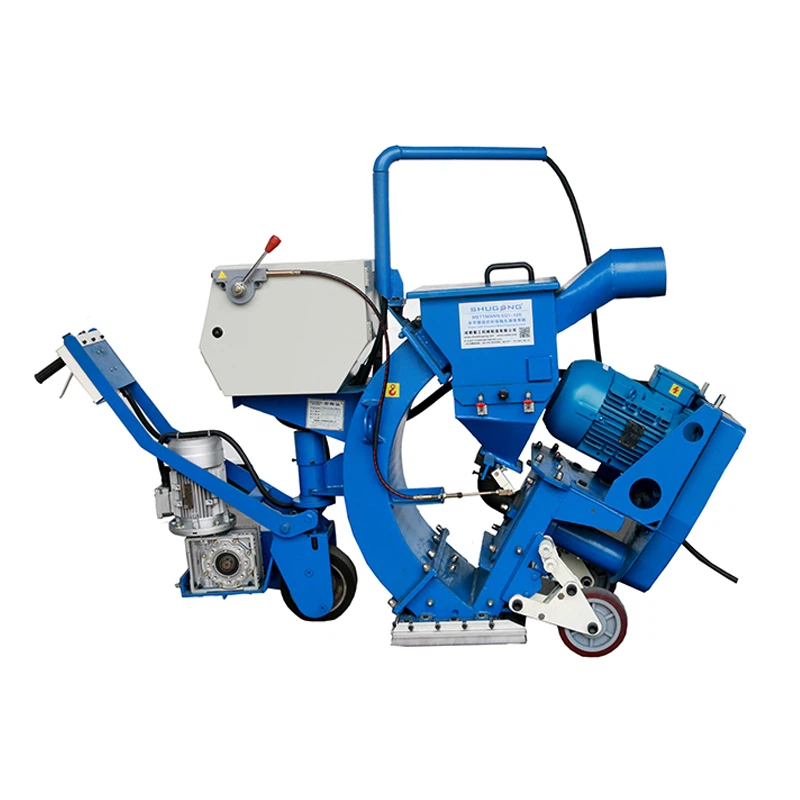
A floor shot blaster consists of several key components that work together to ensure efficient and effective operation:
- Blast Wheel: The blast wheel is the heart of the floor shot blaster. It is responsible for accelerating the abrasive media to a high velocity and directing it onto the surface. The design and performance of the blast wheel determine the quality and efficiency of the blasting process.
- Hopper or Storage Container: The hopper or storage container holds the abrasive media. It is typically made of steel or other durable materials and is designed to prevent the media from spilling or leaking.
- Vacuum System: The vacuum system is used to collect the used abrasive media and dust generated during the blasting process. It helps to keep the work area clean and reduces the risk of airborne dust particles.
- Conveyor Belt or Recycling System: The conveyor belt or recycling system is responsible for transporting the used abrasive media from the work area back to the storage container. It ensures that the abrasive media is reused, reducing waste and operating costs.
- Control Panel: The control panel allows the operator to adjust the speed, intensity, and direction of the blast. It also provides important information about the machine's operation, such as the remaining abrasive media level and the temperature of the blast wheel.
- Chassis and Wheels: The chassis and wheels provide mobility and stability to the floor shot blaster. They are designed to withstand the rigors of industrial use and to navigate different types of surfaces.
Benefits of Using a Floor Shot Blaster
There are several benefits to using a floor shot blaster in industrial and construction applications:
- Efficient Surface Cleaning: A floor shot blaster can clean large areas quickly and effectively. It removes contaminants, rust, paint, and other unwanted materials from the surface, leaving it clean and ready for further treatment.
- Surface Preparation: The abrasive impact of the shot blaster roughens the surface, improving the adhesion of coatings, paints, and other surface treatments. This results in a longer-lasting and more durable finish.
- Cost-Effective: The recycling of the abrasive media reduces waste and operating costs. Additionally, the high efficiency of the floor shot blaster reduces labor costs and downtime.
- Environmentally Friendly: The use of a vacuum system to collect the dust and used abrasive media reduces the environmental impact of the blasting process. It also improves the health and safety of the operators by reducing the risk of airborne dust particles.
- Versatility: Floor shot blasters can be used on a variety of surfaces, including concrete, steel, and metal. They can be used for a wide range of applications, such as floor preparation, surface cleaning, and paint removal.
Applications of Floor Shot Blasters
Floor shot blasters are used in a variety of industrial and construction applications, including:
- Concrete Surface Preparation: Concrete Blasting Machine are commonly used to prepare concrete floors for coatings, paints, and other surface treatments. The blasting process removes contaminants, laitance, and other surface imperfections, improving the adhesion of the coating and ensuring a long-lasting finish.
- Steel Surface Cleaning: Steel Shot Blaster are used to clean and prepare steel surfaces for painting, galvanizing, and other surface treatments. The blasting process removes rust, scale, and other contaminants, leaving the surface clean and ready for further processing.
- Metal Surface Finishing: Metal Shot Blasting Machine are used to finish metal surfaces, such as aluminum, brass, and copper. The blasting process creates a uniform and smooth surface finish, improving the appearance and corrosion resistance of the metal.
- Industrial Flooring Maintenance: Floor shot blasters are used to maintain industrial floors, such as warehouses, factories, and parking garages. The blasting process removes dirt, grease, and other contaminants, improving the safety and cleanliness of the floor.
Conclusion
In conclusion, a floor shot blaster is a powerful and versatile machine that offers many benefits for industrial and construction applications. By understanding how a floor shot blaster works, its components, and its applications, you can make an informed decision when choosing a floor shot blaster for your specific needs.
If you are interested in purchasing a floor shot blaster or have any questions about our products, please feel free to contact us. Our team of experts will be happy to assist you in finding the right solution for your application.

References
- "Shot Blasting Technology" by John Doe
- "Industrial Surface Preparation" by Jane Smith
- "Floor Shot Blaster Manual" by ABC Company
