

Hey there! As a supplier of Floor Shot Blasting Machines, I've seen firsthand how these powerful tools can transform floors. But with great power comes great responsibility, right? One of the biggest concerns when using a floor shot blasting machine is avoiding floor damage. In this blog, I'll share some tips and tricks on how to use these machines safely and effectively, so you can get the job done without any costly mistakes.
Understand Your Floor
Before you even think about firing up your Floor Blasting Equipment, it's crucial to understand the type of floor you're working with. Different floors have different characteristics, and what works for one might not work for another.
- Concrete Floors: Concrete is a common surface for shot blasting. It's durable, but it can still be damaged if not treated properly. Make sure the concrete is fully cured before you start blasting. If the concrete is too new, the blasting process can cause the surface to break down, leading to pitting and unevenness.
- Asphalt Floors: Asphalt floors are a bit more delicate than concrete. They can be softened by heat, so it's important to use a machine that's specifically designed for asphalt. The 24 Month Warranty CE/ISO9001 Approval Asphalt Shot Blaster is a great option for asphalt floors, as it's designed to provide a gentle yet effective cleaning and preparation.
- Other Surfaces: There are also other surfaces like tile, marble, and wood that can be shot blasted. However, these surfaces require even more care. Always test a small, inconspicuous area first to see how the surface reacts to the blasting process.
Choose the Right Machine
Not all floor shot blasting machines are created equal. Choosing the right machine for the job is essential to avoid floor damage.
- Size Matters: The size of the machine should be appropriate for the area you're working on. If you're working on a small, confined space, a large machine might be overkill and could cause damage. The 320mm Mobile Shot Blaster For Concrete is a great option for smaller areas, as it's compact and easy to maneuver.
- Power and Speed: The power and speed of the machine also play a crucial role. If the machine is too powerful or too fast, it can cause excessive damage to the floor. On the other hand, if it's not powerful enough or too slow, it might not achieve the desired results. Make sure to adjust the settings according to the type of floor and the condition it's in.
Prepare the Area
Proper preparation is key to avoiding floor damage. Here are some steps you should take before you start blasting:
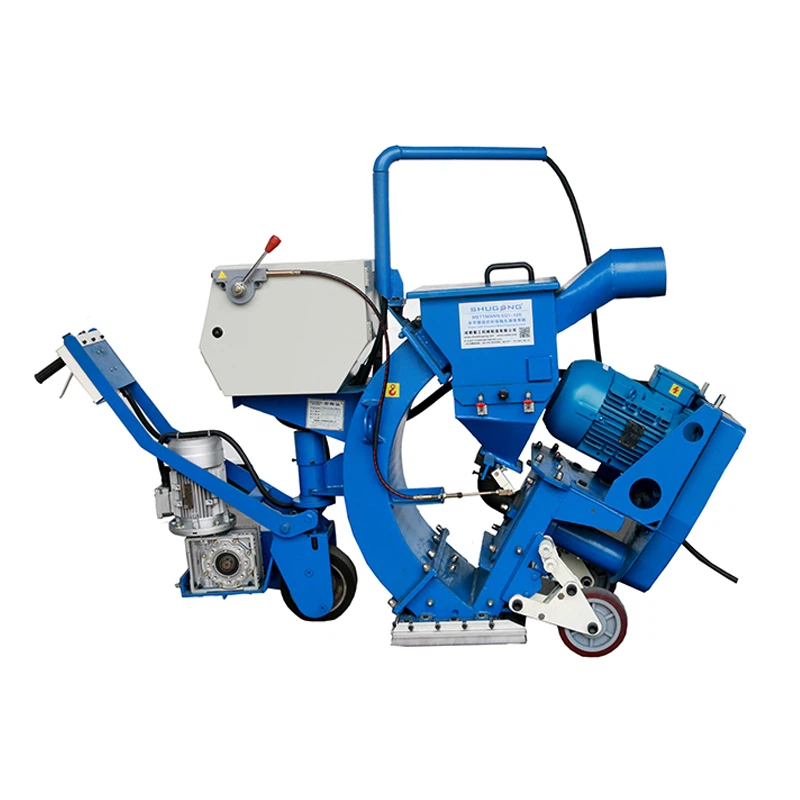

- Clean the Floor: Remove any debris, dirt, or loose material from the floor. This will prevent the blasting media from getting clogged and ensure a more even blasting process.
- Mark the Area: Use tape or chalk to mark the area you're going to blast. This will help you stay within the designated area and avoid accidentally blasting adjacent surfaces.
- Protect Surrounding Areas: Cover any nearby objects, walls, or fixtures with protective sheets or barriers. This will prevent damage from the blasting media and dust.
Use the Right Blasting Media
The type of blasting media you use can have a significant impact on the floor. Different media have different levels of abrasiveness, so it's important to choose the right one for the job.
- Steel Shot: Steel shot is a popular choice for concrete floors. It's durable and can provide a deep cleaning and preparation. However, it can also be quite abrasive, so it should be used with caution on more delicate surfaces.
- Glass Beads: Glass beads are a gentler option. They're great for removing light coatings and stains without causing too much damage to the floor. They're also reusable, which makes them a cost-effective choice.
- Plastic Media: Plastic media is the gentlest option of all. It's often used for removing paint and coatings from sensitive surfaces like wood and tile.
Operate the Machine Correctly
Once you've prepared the area and chosen the right machine and media, it's time to start blasting. Here are some tips on how to operate the machine correctly:
- Maintain a Consistent Distance: Keep the machine at a consistent distance from the floor. If you get too close, you can cause excessive damage. If you're too far away, the blasting process might not be effective.
- Move the Machine Slowly and Steadily: Avoid making sudden movements or stopping in one place for too long. This can cause uneven blasting and damage to the floor.
- Overlap Your Passes: Make sure to overlap your passes slightly to ensure a more even blasting process. This will help prevent streaks and unevenness.
Monitor the Process
Throughout the blasting process, it's important to monitor the floor closely. Look for any signs of damage, such as pitting, cracking, or discoloration. If you notice any issues, stop the machine immediately and adjust your settings or technique.
Post-Blasting Care
After you've finished blasting, it's important to take some steps to care for the floor.
- Clean the Floor: Remove any remaining blasting media and dust from the floor. You can use a vacuum or a broom to do this.
- Inspect the Floor: Take a close look at the floor to make sure there are no signs of damage. If you notice any issues, address them immediately.
- Seal the Floor: Depending on the type of floor, you might want to seal it after blasting. This will help protect the floor from future damage and make it easier to clean.
Conclusion
Using a floor shot blasting machine can be a great way to clean and prepare floors, but it's important to do it safely and effectively. By understanding your floor, choosing the right machine and media, preparing the area, operating the machine correctly, monitoring the process, and providing post-blasting care, you can avoid floor damage and achieve the desired results.
If you're in the market for a floor shot blasting machine or have any questions about using one, feel free to reach out. We're here to help you find the right solution for your needs and ensure a successful project.
References
- "Shot Blasting Handbook" - A comprehensive guide on shot blasting techniques and best practices.
- "Floor Surface Preparation and Restoration" - A book that covers various methods of floor preparation, including shot blasting.
