

Operating a steel shot blaster requires a comprehensive understanding of its functions, safety protocols, and maintenance procedures. As a supplier of high - quality steel shot blasters, I am here to guide you through the entire process to ensure efficient and safe operation.
Pre - operation Preparation
Before starting the steel shot blaster, a series of pre - operation checks are crucial. First, inspect the machine's exterior for any visible damage. Check for loose parts, cracks in the housing, or signs of wear and tear on the conveyor belts or other moving components. This initial visual inspection can prevent potential breakdowns during operation.
Next, examine the shot media. The quality and quantity of the steel shot are vital for effective blasting. Ensure that the shot is clean and free from contaminants. If the shot is dirty or has excessive fines, it can clog the blasting nozzles and reduce the machine's performance. Measure the amount of shot in the hopper. If it is below the recommended level, refill it with the appropriate type and size of steel shot. Different blasting applications may require different shot sizes, so refer to the machine's manual for the correct specifications.
Inspect the dust collection system. A properly functioning dust collector is essential for maintaining a clean working environment and protecting the operator's health. Check the filters for clogs and replace them if necessary. Make sure the dust collection bag or container is empty and properly installed.
Verify the power supply. Ensure that the electrical connections are secure and that the voltage matches the machine's requirements. If the machine is powered by a generator, check the fuel level and the generator's operation.
Starting the Machine
Once all the pre - operation checks are completed, it's time to start the steel shot blaster. First, turn on the dust collection system. This should be done before starting the blasting process to ensure that dust is immediately captured.
Next, start the conveyor system (if applicable). The conveyor moves the workpieces through the blasting chamber at a controlled speed. Adjust the conveyor speed according to the type of workpiece and the desired blasting intensity.
Then, start the blasting wheel. The blasting wheel is the heart of the steel shot blaster, which accelerates the steel shot and propels it onto the workpiece. Listen for any abnormal noises from the blasting wheel, which could indicate a problem such as a loose impeller or a damaged bearing.
Operating the Blaster
During the operation, monitor the blasting process closely. Observe the workpiece as it passes through the blasting chamber. Check the surface finish of the workpiece to ensure that the blasting is achieving the desired results. If the surface is not being cleaned or prepared to the required standard, you may need to adjust the blasting parameters.
The blasting pressure is one of the key parameters. You can adjust the blasting pressure by changing the speed of the blasting wheel or the amount of shot being fed into the wheel. Higher blasting pressure generally results in a more aggressive cleaning action, but it may also cause damage to the workpiece if it is too high.
The distance between the blasting nozzle and the workpiece also affects the blasting effect. A shorter distance will increase the blasting intensity, while a longer distance will provide a more uniform but less intense blast. Adjust the nozzle position according to the shape and size of the workpiece.
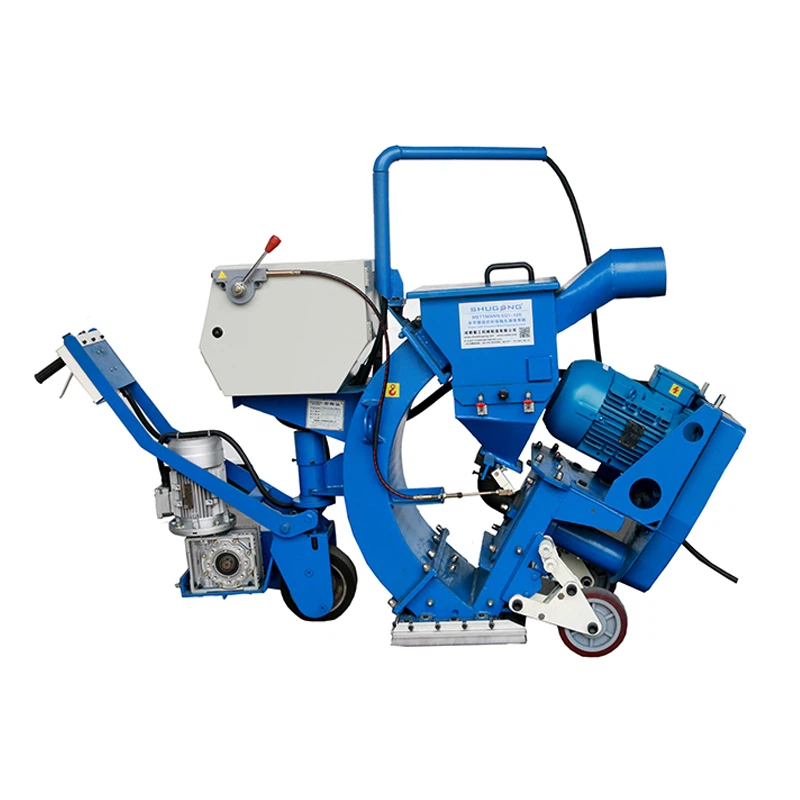

For large - scale projects, it may be necessary to operate the steel shot blaster continuously. However, it's important to take breaks to allow the machine to cool down. Overheating can cause damage to the components and reduce the machine's lifespan.
Safety Precautions
Safety should always be the top priority when operating a steel shot blaster. Wear appropriate personal protective equipment (PPE), including safety glasses, a dust mask, ear protection, and protective clothing. The steel shot can cause serious eye injuries if it splashes out of the blasting chamber, so safety glasses are essential.
Keep the work area clean and free from clutter. A clean work area reduces the risk of tripping and falling. Ensure that there are no flammable materials near the steel shot blaster, as the friction generated during the blasting process can produce sparks.
Never reach into the blasting chamber while the machine is running. The moving parts and the high - velocity steel shot can cause severe injuries. If you need to perform any maintenance or adjustments inside the chamber, turn off the machine and wait for all the moving parts to come to a complete stop.
Maintenance and Troubleshooting
Regular maintenance is essential for the long - term performance of the steel shot blaster. After each use, clean the machine thoroughly. Remove any remaining steel shot from the hopper, conveyor, and blasting chamber. Clean the dust collection system to prevent clogs.
Lubricate the moving parts regularly according to the manufacturer's recommendations. This includes the bearings, chains, and conveyor rollers. Proper lubrication reduces friction and wear, extending the life of the components.
If you encounter any problems during the operation, refer to the machine's manual for troubleshooting guidance. Common problems include a clogged blasting nozzle, a malfunctioning dust collector, or a noisy blasting wheel. In most cases, simple adjustments or component replacements can solve these problems.
Applications of Steel Shot Blasters
Steel shot blasters have a wide range of applications. They are commonly used in the metalworking industry to clean and prepare metal surfaces before painting, coating, or welding. By removing rust, scale, and other contaminants, the steel shot blaster ensures better adhesion of the paint or coating, resulting in a more durable finish.
In the construction industry, Concrete Floor Blaster and Concrete Shot Blasting Machine are used to clean and roughen concrete floors. This improves the bond between the concrete and the new flooring material, such as epoxy or tile.
The automotive industry also benefits from steel shot blasters. They are used to clean engine parts, gears, and other components, improving their performance and reliability.
Our Product Offerings
As a leading supplier of steel shot blasters, we offer a variety of high - quality machines to meet different customer needs. Our 24Month CE/SGS Certificate Self Propelled Coating Shot Blaster is a popular choice for large - scale floor blasting projects. It is self - propelled, which means it can move independently, reducing the labor intensity. With a 24 - month CE/SGS certificate, you can be confident in the quality and safety of our product.
Contact for Purchase
If you are interested in our steel shot blasters or have any questions about their operation, please feel free to contact us. We have a team of experienced professionals who can provide you with detailed information and guidance. Whether you are a small - scale workshop or a large - scale industrial enterprise, we can offer you the most suitable solution for your blasting needs.
References
- Manufacturer's manuals of steel shot blasters
- Industry standards for shot blasting operations
- Safety guidelines for industrial machinery operation
