

Hey there! As a supplier of Line marking Shot Blasters, I've seen firsthand the wide range of models out there, each with its own unique features and capabilities. In this blog post, I'm gonna break down the differences between different models of Line marking Shot Blasters to help you make an informed decision when it comes to choosing the right one for your needs.
Size and Portability
One of the most obvious differences between Line marking Shot Blasters is their size. Some models are small and portable, while others are larger and more stationary. The size of the shot blaster you choose will depend on the size of the area you need to work on and how often you need to move it around.
For smaller jobs or projects where you need to move the shot blaster frequently, a portable model like the 10 Inch Blast Machine might be the way to go. These machines are lightweight and easy to transport, making them ideal for contractors who need to work on multiple sites.
On the other hand, if you have a large area to blast or if you're working in a fixed location, a larger, stationary model might be more suitable. These machines typically have a higher blasting capacity and can cover more ground in less time. The 24Month CE/SGS Certificate Self Propelled Coating Shot Blaster is a great example of a larger, self-propelled model that can handle big jobs with ease.
Blasting Capacity
Another important factor to consider when choosing a Line marking Shot Blaster is its blasting capacity. This refers to the amount of abrasive material the machine can hold and the rate at which it can blast. The blasting capacity of a shot blaster will determine how quickly you can complete a job and how much abrasive material you'll need to use.
Smaller, portable shot blasters typically have a lower blasting capacity, which means they can only hold a limited amount of abrasive material and may need to be refilled more frequently. However, they're also more energy-efficient and can be a good option for smaller jobs.
Larger, stationary shot blasters, on the other hand, have a higher blasting capacity and can hold more abrasive material. This allows them to blast for longer periods of time without needing to be refilled, making them ideal for large-scale projects.
Power Source
Shot blasters can be powered by a variety of sources, including electricity, gasoline, and diesel. The power source you choose will depend on your specific needs and the availability of power at your worksite.
Electric shot blasters are typically the most common type of shot blaster and are a good option for indoor use or for sites where electricity is readily available. They're also more energy-efficient and produce less noise and emissions than gasoline or diesel-powered machines.
Gasoline and diesel-powered shot blasters, on the other hand, are more powerful and can be used in areas where electricity is not available. They're also more suitable for outdoor use and can handle larger jobs. However, they're also more expensive to operate and produce more noise and emissions.
Self-Propelled vs. Manual
Some Line marking Shot Blasters are self-propelled, while others require manual operation. Self-propelled shot blasters are equipped with a motor or engine that allows them to move forward on their own, making them easier and more efficient to use. They're also ideal for large areas or for jobs where you need to cover a lot of ground quickly.
Manual shot blasters, on the other hand, require the operator to push or pull the machine forward. While they're more labor-intensive, they're also more affordable and can be a good option for smaller jobs or for contractors on a budget.
Special Features
In addition to the basic features mentioned above, some Line marking Shot Blasters also come with special features that can make them more versatile and easier to use. For example, some machines are equipped with adjustable blasting nozzles that allow you to control the size and shape of the blast pattern. This can be useful for achieving different levels of surface roughness or for blasting in hard-to-reach areas.
Other machines may come with dust collection systems that help to reduce the amount of dust and debris generated during the blasting process. This can be especially important for indoor use or for jobs where you need to minimize the impact on the environment.
Conclusion
As you can see, there are many different factors to consider when choosing a Line marking Shot Blaster. By understanding the differences between different models and their features, you can make an informed decision and choose the machine that's right for your needs.
If you're still not sure which model is best for you, or if you have any questions about our Line marking Shot Blasters, please don't hesitate to contact us. We're here to help you find the perfect machine for your project and to provide you with the support and service you need to get the job done right.

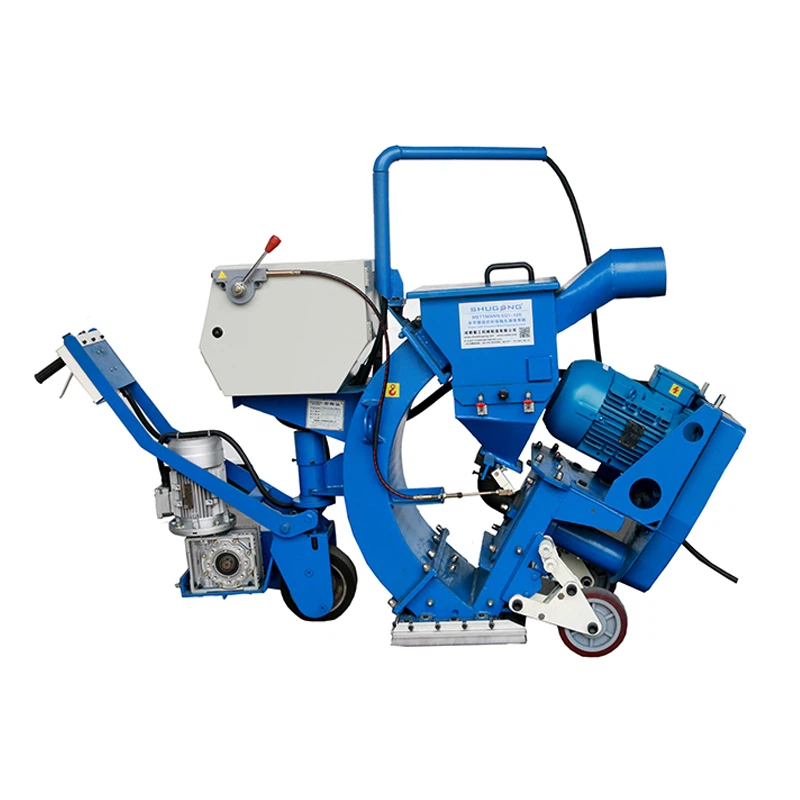
Whether you're a contractor looking for a reliable shot blaster for your business or a DIY enthusiast looking to tackle a home improvement project, we have the expertise and the products to meet your needs. So why wait? Contact us today and let's get started on your next project!
References
- Industry research on shot blasting equipment
- Manufacturer specifications for various Line marking Shot Blasters


