

Hey there! As a supplier of Steel Shot Blasters, I often get asked about the fuel consumption of diesel - powered steel shot blasters. It's a crucial question, especially for those looking to manage their operational costs effectively. In this blog, I'll break down the factors that influence fuel consumption and give you a rough idea of what to expect.
First off, let's understand what a diesel - powered steel shot blaster is. It's a machine that uses compressed air or a centrifugal wheel to propel steel shots at high speeds onto a surface. This process helps in cleaning, descaling, and preparing the surface for further treatment. Diesel - powered shot blasters are popular because they offer high mobility and can be used in areas without access to electricity.
Now, what affects the fuel consumption of these machines? There are several key factors.
Machine Size and Power
Bigger shot blasters usually come with more powerful engines, which means they consume more fuel. A small - scale, handheld shot blaster might have a relatively low - power diesel engine, and its fuel consumption will be much less compared to a large, industrial - grade self - propelled shot blaster. For example, a compact shot blaster used for small - area floor cleaning might have an engine with a power output of around 5 - 10 horsepower (hp). On the other hand, a large self - propelled shot blaster designed for big industrial projects could have an engine with 30 hp or more. The larger engine has to work harder to drive the shot - propelling mechanism and move the machine, so it burns more diesel.
Shot Blasting Intensity
The intensity of the shot blasting process also plays a huge role. If you're blasting a surface at a high intensity, meaning you're using a large number of steel shots at a high speed, the machine has to work harder. This increased workload requires more energy, and thus, more fuel. For instance, when you're trying to remove thick rust or heavy coatings from a steel surface, you'll need to set the shot blaster to a high - intensity mode. In this mode, the engine has to run at a higher RPM (revolutions per minute) to maintain the required shot velocity, leading to higher fuel consumption.
Surface Condition
The condition of the surface being blasted matters too. A rough, uneven, or heavily contaminated surface demands more effort from the shot blaster. When the machine encounters a tough surface, it has to push the steel shots harder to achieve the desired cleaning or preparation result. As a result, the engine has to work overtime, and fuel consumption goes up. For example, if you're blasting a concrete floor that has been exposed to years of heavy traffic and oil spills, the shot blaster will use more fuel compared to blasting a newly - poured, clean concrete surface.
Operating Time
It's pretty straightforward - the longer you run the shot blaster, the more fuel it will consume. If you have a large project that requires continuous operation for hours, you'll need to account for a significant amount of fuel. Some projects might need the shot blaster to run non - stop for an entire workday. In such cases, you should plan your fuel supply accordingly.
So, what's the average fuel consumption? Well, it's hard to give an exact figure because of the factors mentioned above. But I can give you a ballpark estimate.
A small, low - power shot blaster might consume around 0.5 - 1 liter of diesel per hour of operation. These are usually the handheld or small - scale models used for light - duty tasks like cleaning small metal parts or doing minor floor touch - ups.
For medium - sized self - propelled shot blasters, the fuel consumption could range from 2 - 5 liters per hour. These machines are often used for medium - sized industrial projects, such as blasting medium - sized floors or preparing small - to - medium - sized steel structures.
Large, high - power industrial shot blasters can consume 5 liters or more per hour. These are the heavy - duty machines used for big - scale projects like shipbuilding, large - area floor preparation in warehouses, or bridge maintenance.
Now, if you're in the market for a steel shot blaster, we've got some great options. Check out our Floor Blasting Equipment. It's designed for efficient floor cleaning and preparation. Our Shot Blasting Machine for Flooring is perfect for those looking to get a smooth and clean floor surface. And if you're interested in a reliable, certified machine, take a look at our 24Month CE/SGS Certificate Self Propelled Coating Shot Blaster.
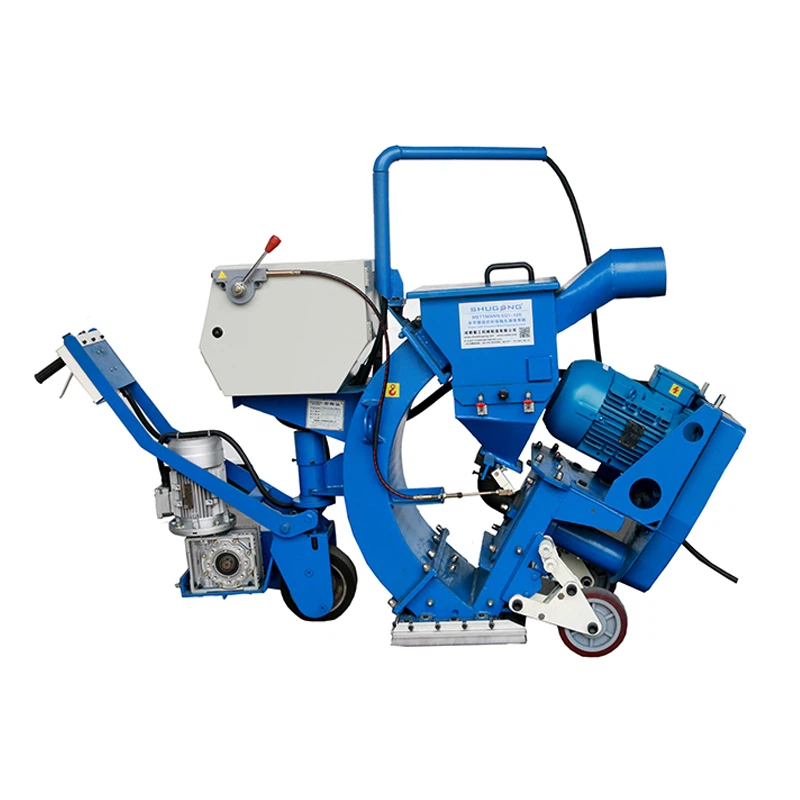

We understand that fuel consumption is just one aspect of the decision - making process when buying a shot blaster. You also need to consider the machine's performance, durability, and price. That's why we're here to help. If you have any questions about our products, fuel consumption, or anything else related to shot blasters, don't hesitate to reach out. We're always happy to have a chat and help you find the best solution for your needs. Whether you're a small business owner looking for a compact shot blaster or a large industrial company in need of a heavy - duty machine, we've got you covered.
In conclusion, fuel consumption of diesel - powered steel shot blasters varies based on multiple factors. By understanding these factors, you can better estimate your fuel costs and choose the right machine for your project. So, if you're thinking about making a purchase, contact us today, and let's start a conversation about how we can meet your shot - blasting requirements.
References
- Industry reports on shot - blasting equipment performance
- Manufacturer's specifications for diesel - powered shot blasters


