

Hey there! As a supplier of Concrete Shot Blast Machines, I often get asked about the maintenance frequency of the dust collection system in these machines. It's a crucial aspect that can significantly impact the performance and lifespan of the equipment, so I'm here to share some insights.
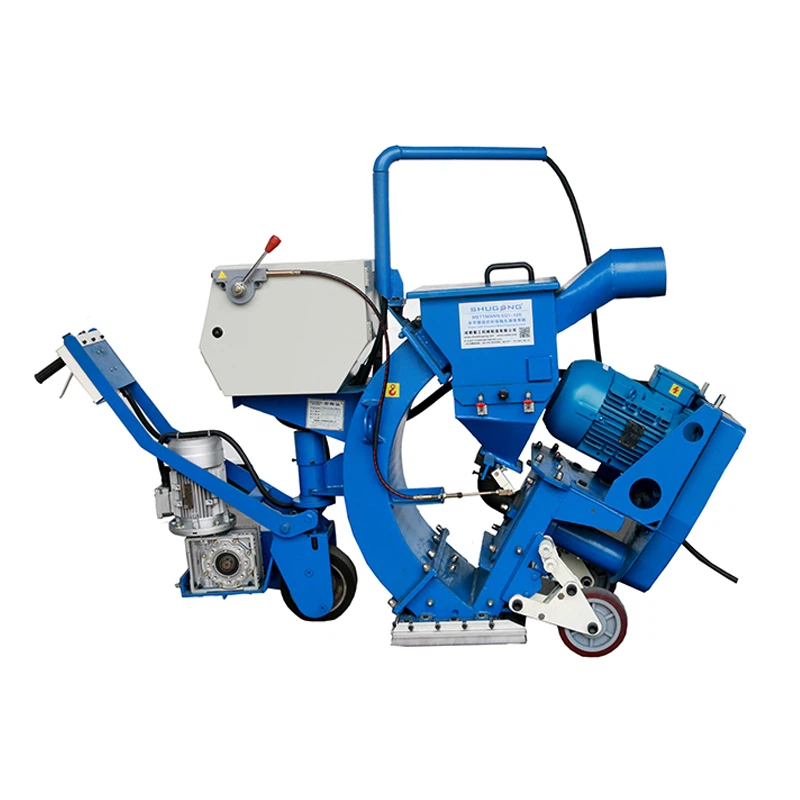

Why the Dust Collection System Matters
First off, let's talk about why the dust collection system is so important in a concrete shot blast machine. When the machine is in operation, it generates a large amount of dust and debris from the concrete surface being blasted. If this dust isn't properly collected, it can cause a bunch of problems. It can reduce the visibility of the operator, which is a safety hazard. It can also contaminate the surrounding environment, and in some cases, it might even lead to health issues for those nearby. Moreover, dust can find its way into the internal components of the shot blast machine, causing premature wear and tear and potentially leading to breakdowns.
Factors Affecting Maintenance Frequency
The maintenance frequency of the dust collection system in a concrete shot blast machine isn't a one - size - fits - all thing. There are several factors that come into play.
Usage Intensity
How often and how long you use the shot blast machine is a major factor. If you're using it for long hours every day, the dust collection system will get clogged up faster compared to using it for just a few hours a week. For example, a contractor who uses the machine on large construction sites for 8 - 10 hours a day will need to maintain the dust collection system more frequently than a small - scale DIY user who only uses it occasionally on weekend projects.
Type of Concrete
The type of concrete being blasted also matters. Some concrete surfaces are harder and more abrasive, which can generate finer and more abundant dust particles. For instance, high - strength concrete used in industrial floors might produce more dust compared to regular residential concrete. This means that when blasting high - strength concrete, the dust collection system will require more frequent maintenance.
Environmental Conditions
The environment in which the shot blast machine operates can have an impact too. If the work area is particularly dirty or dusty to begin with, the dust collection system will have to work harder and will likely need more frequent maintenance. Also, if the humidity is high, the dust can clump together, making it more difficult for the system to collect and filter it effectively.
General Maintenance Frequency Guidelines
Based on my experience as a supplier, here are some general guidelines for the maintenance frequency of the dust collection system in a concrete shot blast machine.
Daily Checks
Before starting the machine each day, it's a good idea to do a quick visual check of the dust collection system. Look for any signs of damage, such as holes in the filter bags or loose connections. Make sure the dust discharge chute is clear of any blockages. Also, check the level of dust in the collection bin. If it's almost full, empty it. This simple daily check can prevent small issues from turning into big problems.
Weekly Maintenance
Once a week, you should perform a more thorough inspection. Check the filter bags for clogging. You can do this by gently tapping the bags to dislodge any dust that has accumulated on the surface. If the bags are heavily clogged, they might need to be replaced. Also, check the fan and motor of the dust collection system. Make sure they're running smoothly and that there are no unusual noises or vibrations.
Monthly Maintenance
On a monthly basis, it's time for a deep clean. Remove the filter bags and wash them if they're washable. If they're not, replace them. Inspect the entire dust collection system for any signs of wear and tear, including the housing, ductwork, and valves. Lubricate any moving parts as recommended by the manufacturer.
Quarterly and Annual Maintenance
Every three months, you should conduct a performance test of the dust collection system. Measure the airflow and pressure to ensure that the system is working at its optimal level. Once a year, have a professional technician perform a comprehensive inspection and tune - up of the entire dust collection system. This can help identify any underlying issues that might not be obvious during regular maintenance.
Our Concrete Shot Blast Machines
At our company, we offer a range of high - quality Concrete Blasting Machine. Our 24Month CE/SGS Certificate Self Propelled Coating Shot Blaster is a popular choice among contractors. It's designed with an efficient dust collection system that is easy to maintain. The filter bags are high - quality and have a long lifespan, reducing the frequency of replacements.
Another great option is our EBE500 Steel Shot Blaster. This machine is known for its powerful performance and reliable dust collection. It has a user - friendly design that makes it easy to access and maintain the dust collection system.
Conclusion
In conclusion, the maintenance frequency of the dust collection system in a concrete shot blast machine depends on various factors such as usage intensity, type of concrete, and environmental conditions. By following the general guidelines I've provided, you can ensure that your dust collection system works efficiently, prolong the lifespan of your shot blast machine, and keep your work area clean and safe.
If you're in the market for a new concrete shot blast machine or have any questions about the maintenance of the dust collection system, feel free to reach out. We're here to help you make the right choice and keep your equipment in top shape. Don't hesitate to contact us for more information or to start a purchase negotiation.
References
- Industry standards and guidelines for concrete shot blast machines
- Manufacturer's manuals for various concrete shot blast machines
- Personal experience and knowledge gained from years of supplying concrete shot blast machines


