

Adjusting the speed of the conveyor in a steel shot blaster is a critical aspect that directly impacts the efficiency and quality of the shot - blasting process. As a well - established supplier of steel shot blasters, I've witnessed firsthand how proper conveyor speed adjustment can transform the performance of these machines. In this blog, I'll share some in - depth insights on how to adjust the conveyor speed in a steel shot blaster.
Understanding the Importance of Conveyor Speed in a Steel Shot Blaster
Before delving into the adjustment process, it's essential to understand why conveyor speed matters. The conveyor in a steel shot blaster is responsible for transporting the workpieces through the blasting chamber. The speed at which it moves determines the amount of time the workpieces are exposed to the shot stream.
If the conveyor moves too quickly, the workpieces may not receive sufficient blasting, resulting in incomplete surface cleaning or profiling. On the other hand, if the conveyor moves too slowly, it can lead to over - blasting, which not only wastes energy and abrasive materials but can also damage the workpieces. Therefore, finding the optimal conveyor speed is crucial for achieving the desired surface finish and maximizing productivity.
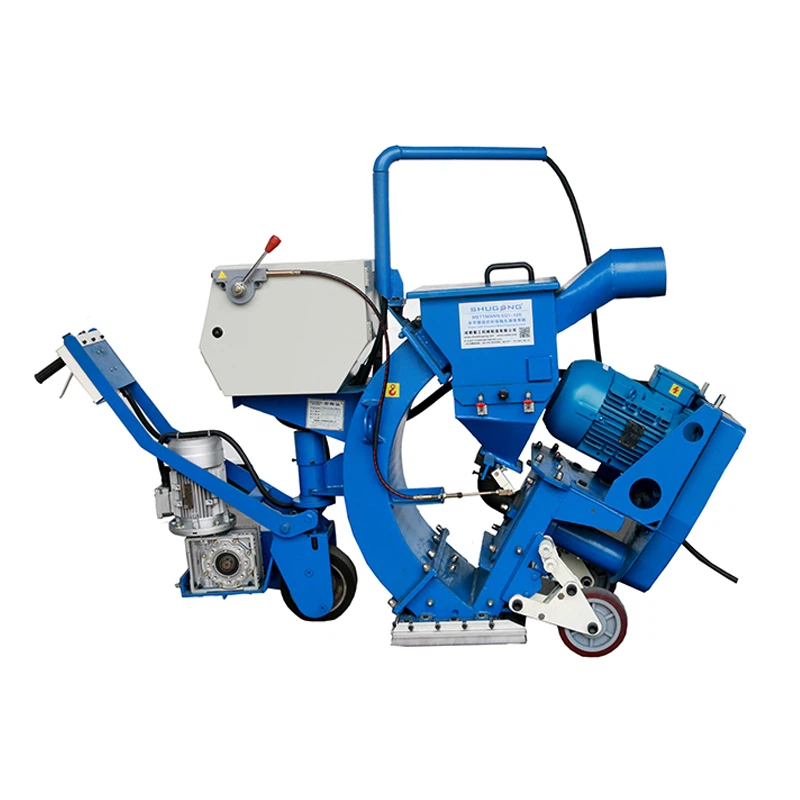

Factors Affecting Conveyor Speed
Several factors need to be considered when determining the appropriate conveyor speed for a steel shot blaster:
Workpiece Material and Size
Different materials have different hardness and surface characteristics. For example, softer materials may require a slower conveyor speed to avoid damage, while harder materials can withstand a faster speed. The size of the workpiece also plays a role. Larger workpieces may need a slower speed to ensure uniform blasting across the entire surface, while smaller workpieces can be processed at a faster pace.
Surface Finish Requirements
The desired surface finish is a key factor in determining conveyor speed. A rougher finish may allow for a faster conveyor speed, as less precision is required. However, if a smooth and highly - finished surface is needed, a slower speed is usually necessary to ensure thorough and consistent blasting.
Abrasive Type and Flow Rate
The type of abrasive used in the shot blaster and its flow rate also influence conveyor speed. Coarser abrasives may require a slower speed to achieve the desired effect, while finer abrasives can work at a faster pace. Additionally, a higher abrasive flow rate may allow for a faster conveyor speed, as more abrasive is available to clean the workpieces.
Methods of Adjusting Conveyor Speed
There are several ways to adjust the conveyor speed in a steel shot blaster:
Variable Frequency Drives (VFDs)
Variable frequency drives are one of the most common and effective methods for adjusting conveyor speed. A VFD allows for precise control of the motor speed by varying the frequency of the electrical power supplied to the motor. This provides a smooth and stepless speed adjustment, which is ideal for achieving the optimal conveyor speed for different workpieces and blasting requirements.
To adjust the conveyor speed using a VFD, you typically need to access the control panel of the shot blaster. Most VFDs have a user - friendly interface that allows you to set the desired speed. You can increase or decrease the speed in small increments until the optimal speed is reached.
Mechanical Speed Controllers
Some older or simpler steel shot blasters may use mechanical speed controllers. These controllers work by adjusting the gear ratio or belt tension to change the conveyor speed. While mechanical speed controllers are less precise than VFDs, they can still be effective for basic speed adjustments.
To adjust the conveyor speed using a mechanical speed controller, you usually need to use a hand - crank or a lever to change the gear ratio or belt tension. This process may require some trial and error to find the right speed.
Step - by - Step Guide to Adjusting Conveyor Speed
Here is a step - by - step guide on how to adjust the conveyor speed in a steel shot blaster:
Step 1: Gather Information
Before making any adjustments, gather information about the workpieces, including their material, size, and the desired surface finish. Also, note the type of abrasive being used and its flow rate.
Step 2: Start with a Baseline Speed
Based on the factors mentioned above, start with a baseline conveyor speed. You can refer to the shot blaster's manual or previous experience with similar workpieces to determine an initial speed setting.
Step 3: Conduct a Test Run
Load a sample workpiece onto the conveyor and start the shot blaster. Observe the blasting process carefully. Pay attention to the surface finish of the workpiece and the overall performance of the machine.
Step 4: Make Adjustments
If the workpiece is under - blasted (i.e., the surface finish is not satisfactory), decrease the conveyor speed. If it is over - blasted, increase the speed. Make small adjustments at a time and conduct a test run after each adjustment until the desired surface finish is achieved.
Step 5: Monitor and Fine - Tune
Once you have found an appropriate conveyor speed, monitor the shot - blasting process over time. Factors such as changes in workpiece material, abrasive quality, or machine wear can affect the optimal speed. Make fine - tuning adjustments as needed to maintain consistent performance.
Our Steel Shot Blasters and Conveyor Speed Adjustment
At our company, we offer a wide range of Mark Line Blasting Machine Mark Line Shot Blaster that are designed with advanced conveyor speed adjustment features. Our machines are equipped with high - quality variable frequency drives, which provide precise and easy - to - use speed control.
Whether you are working with concrete floors, using Concrete Floor Shot Blasting Machine, or need a machine with a 24 Month Warranty CE/SGS Certificate Mark Line Shot Blasting Equipment, our shot blasters can be customized to meet your specific requirements. Our technical support team is also available to assist you in adjusting the conveyor speed and optimizing the performance of your shot blaster.
Conclusion
Adjusting the conveyor speed in a steel shot blaster is a complex but essential task that requires careful consideration of multiple factors. By understanding the factors affecting conveyor speed, using the appropriate adjustment methods, and following a systematic approach, you can find the optimal speed for your specific application.
If you are in the market for a high - quality steel shot blaster or need assistance with conveyor speed adjustment, please feel free to contact us. Our team of experts is ready to help you select the right machine and ensure that it operates at its best. We look forward to discussing your needs and providing you with the best solutions for your shot - blasting requirements.
References
- "Shot Blasting Technology Handbook", Industrial Blasting Association
- "Surface Finishing in Metalworking", Metal Processing Institute


