

Hey there! As a supplier of Concrete Blasting Machines, I've seen firsthand the challenges these machines face, especially in offshore construction. Offshore environments are tough on equipment due to the high levels of humidity, saltwater exposure, and harsh weather conditions. Corrosion is a major issue that can significantly reduce the lifespan and efficiency of a concrete blasting machine. In this blog, I'll share some effective corrosion - prevention measures for these machines in offshore construction.
Understanding the Corrosion Process in Offshore Environments
Before we dive into the prevention measures, it's important to understand how corrosion occurs in offshore settings. Saltwater contains a high concentration of chloride ions. When these ions come into contact with the metal parts of a concrete blasting machine, they can break down the protective oxide layer on the metal surface. This exposes the metal to further oxidation, leading to rust and corrosion.
Moreover, the high humidity in offshore areas accelerates the corrosion process. Water acts as an electrolyte, facilitating the flow of electrons between different parts of the metal and speeding up the chemical reactions that cause corrosion.
Coating and Painting
One of the most common and effective ways to prevent corrosion is by applying a protective coating or paint to the machine. There are several types of coatings available, each with its own advantages.
Epoxy coatings are a popular choice. They form a tough, durable barrier between the metal and the corrosive environment. Epoxy coatings are resistant to chemicals, abrasion, and moisture, making them ideal for offshore use. Another option is polyurethane coatings. These coatings offer excellent UV resistance, which is important in offshore areas where the machine is exposed to sunlight.
When applying a coating, it's crucial to prepare the surface properly. This involves cleaning the metal to remove any dirt, grease, or rust. A rough surface can also improve the adhesion of the coating. After the surface is prepared, the coating should be applied evenly in multiple layers for maximum protection.
Galvanization
Galvanization is another well - known corrosion - prevention method. It involves coating the metal with a layer of zinc. Zinc is more reactive than the base metal, so it acts as a sacrificial anode. When corrosion occurs, the zinc corrodes instead of the base metal, protecting it from damage.
Hot - dip galvanizing is a common galvanization process. In this process, the metal is dipped into a bath of molten zinc. This creates a thick, uniform zinc coating that provides long - term protection. Galvanized parts are highly resistant to corrosion in offshore environments and can last for many years.
Cathodic Protection
Cathodic protection is a technique that uses an external power source or a sacrificial anode to prevent corrosion. In impressed current cathodic protection, an external power source is used to apply a direct current to the metal. This current counteracts the natural electrochemical reactions that cause corrosion, effectively protecting the metal.
Sacrificial anode cathodic protection, on the other hand, involves attaching a more reactive metal (such as magnesium or aluminum) to the machine. The sacrificial anode corrodes instead of the machine's metal parts, providing protection. This method is relatively simple and cost - effective, making it a popular choice for offshore equipment.
Regular Maintenance and Inspection
Regular maintenance and inspection are essential for preventing corrosion. This includes cleaning the machine regularly to remove salt, dirt, and other contaminants. After each use, the machine should be rinsed with fresh water to remove any saltwater residue.
Inspections should be carried out at regular intervals to check for signs of corrosion. If any corrosion is detected, it should be addressed immediately. This may involve removing the corroded parts and replacing them, or applying a new coating or treatment.

Use of Corrosion - Resistant Materials
When designing and manufacturing concrete blasting machines for offshore use, it's important to use corrosion - resistant materials. Stainless steel is a great option as it contains chromium, which forms a passive oxide layer on the surface. This layer protects the steel from corrosion and makes it highly resistant to the harsh offshore environment.
Aluminum is another material that can be used in some parts of the machine. Aluminum forms a thin, protective oxide layer on its surface, which helps prevent corrosion. However, it's important to note that aluminum may not be suitable for all parts of the machine, especially those that require high strength.
Environmental Control
While it's not always possible to control the offshore environment, there are some measures that can be taken to reduce the exposure of the machine to corrosive elements. For example, the machine can be stored in a sheltered area when not in use. This can protect it from direct exposure to saltwater spray and harsh weather conditions.
Ventilation can also be important. Proper ventilation can help reduce humidity around the machine, slowing down the corrosion process. In some cases, dehumidifiers can be used to control the moisture levels in the storage area.
Training and Education
Finally, it's important to train the operators and maintenance staff on corrosion prevention. They should be aware of the importance of proper maintenance, inspection, and the use of corrosion - prevention techniques. By educating the people who work with the machine, we can ensure that it is used and maintained in a way that maximizes its lifespan and performance.
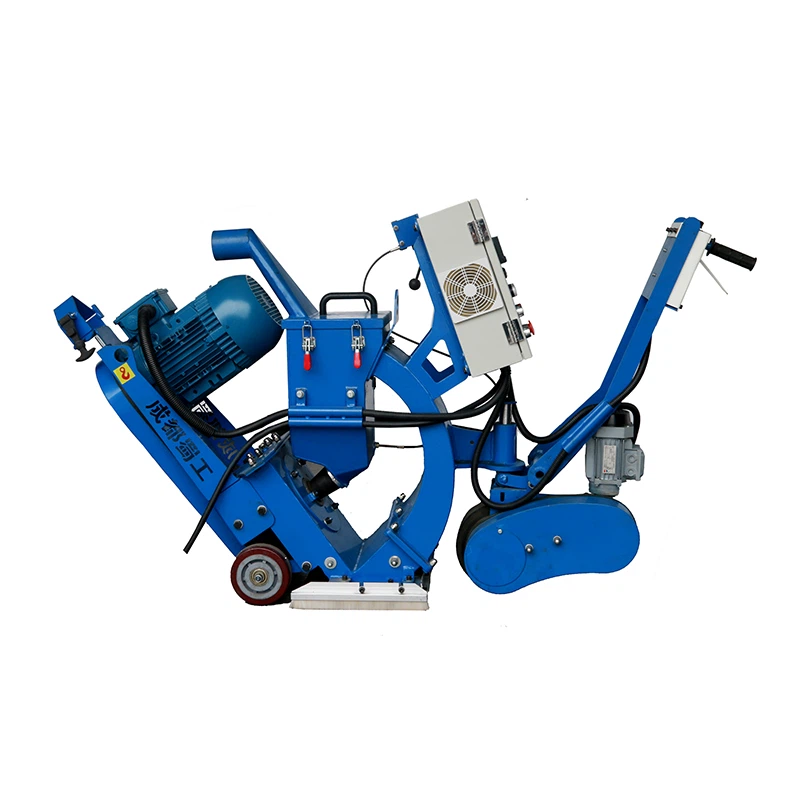
As a supplier of Concrete Blasting Machines, we offer a range of high - quality products that are designed to withstand the challenges of offshore construction. If you're interested in our Floor Shot Blast Machine, EBE500 Steel Shot Blasting Machine, or Concrete Blasting Equipment, or if you have any questions about corrosion prevention, feel free to reach out to us. We're here to help you find the best solutions for your offshore construction needs.
References
- Fontana, M. G. (1986). Corrosion Engineering. McGraw - Hill.
- Uhlig, H. H., & Revie, R. W. (1985). Corrosion and Corrosion Control. Wiley - Interscience.
- ASTM International. (Various standards related to corrosion testing and prevention).
