

Hey there! As a supplier of Concrete Floor Blasters, I often get asked about the noise levels these machines reach. It's a valid concern, especially when you're using the equipment in different environments, like construction sites, industrial facilities, or even indoor spaces. So, let's dive into what kind of noise level a Concrete Floor Blaster typically reaches and why it matters.
Understanding Noise Levels in Concrete Floor Blasters
First off, we need to talk about how noise is measured. The unit of measurement for noise is the decibel (dB). The decibel scale is logarithmic, which means that a small increase in dB represents a big increase in the actual sound intensity. For example, 80 dB is 10 times louder than 70 dB and 100 times louder than 60 dB.
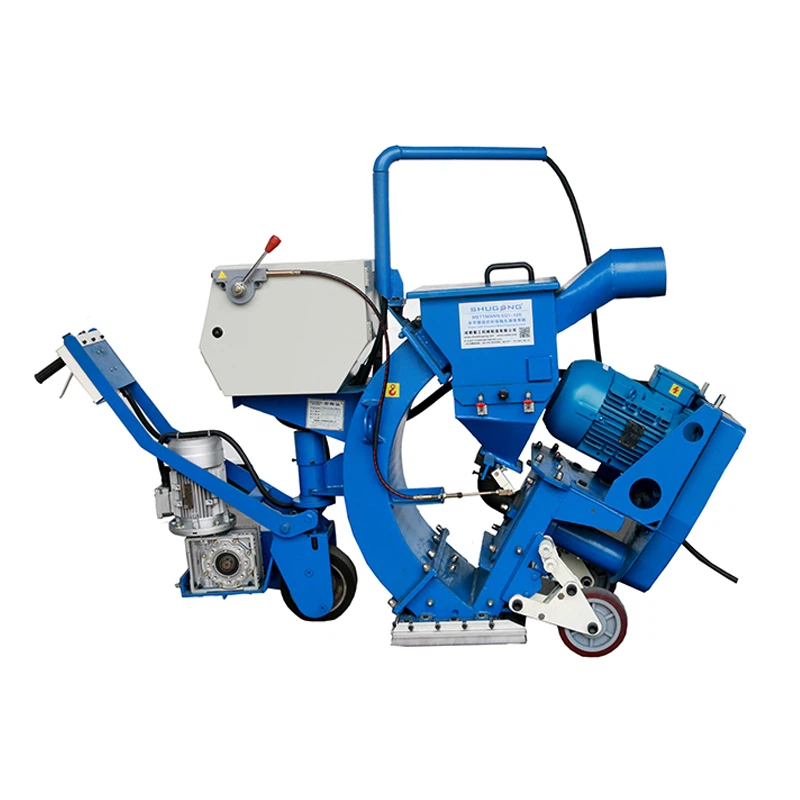
Concrete Floor Blasters are powerful machines designed to remove coatings, paint, and other surface contaminants from concrete floors. They work by propelling abrasive materials at high speeds onto the floor surface. This process generates a significant amount of noise.
On average, a Concrete Floor Blaster can reach noise levels between 90 dB and 110 dB. To put this into perspective, normal conversation is around 60 dB, a lawnmower is about 90 dB, and a chainsaw can reach up to 110 dB. So, you can see that a Concrete Floor Blaster is pretty loud.
Factors Affecting Noise Levels
The actual noise level a Concrete Floor Blaster reaches can vary depending on several factors:
-
Machine Design and Quality: High - quality machines with better insulation and noise - reducing features tend to be quieter. Cheaper or older models may produce more noise. For instance, our Metal Shot Blasting Machine is designed with advanced noise - reduction technology to keep the noise levels as low as possible without sacrificing performance.
-
Abrasive Material: Different types of abrasive materials can affect the noise level. Harder abrasives may create more noise when they hit the floor surface compared to softer ones.
-
Operating Conditions: The surface condition of the floor also plays a role. Rough or uneven floors may cause the machine to produce more noise as the abrasive impacts the surface at different angles.
-
Speed and Power Settings: Running the machine at higher speeds and power settings will generally result in louder noise levels. Operators can sometimes adjust these settings based on the job requirements to balance performance and noise.
Why Noise Levels Matter
The noise generated by a Concrete Floor Blaster isn't just an annoyance; it can have serious implications for both the operators and the surrounding environment.
For Operators
Prolonged exposure to high - level noise can cause hearing damage. This includes temporary or permanent hearing loss, tinnitus (ringing in the ears), and other auditory problems. That's why it's crucial for operators to wear proper hearing protection, such as earplugs or earmuffs, when using a Concrete Floor Blaster.
For the Environment
In some areas, there are strict noise regulations. Construction sites and industrial facilities need to comply with these regulations to avoid fines and legal issues. Excessive noise can also disrupt nearby residents, businesses, and wildlife.
Our Solutions for Reducing Noise
As a supplier, we understand the importance of reducing noise levels. That's why we offer a range of Concrete Floor Blasters with noise - reduction features.
Our 24Month CE/SGS Certificate Self Propelled Coating Shot Blaster is a great example. It's equipped with sound - absorbing materials and a well - designed enclosure to minimize the noise output. This machine not only meets the strictest noise regulations but also provides excellent performance.
Another option is our Steel Plate Shot Blasting Equipment. It has been engineered to operate quietly while effectively removing coatings and contaminants from steel plates and concrete floors.
Comparing Noise Levels with Other Similar Machines
When compared to other types of floor - preparation equipment, Concrete Floor Blasters are generally louder. For example, floor grinders and polishers typically produce noise levels in the range of 70 dB to 90 dB. However, the advantage of a Concrete Floor Blaster is its ability to quickly and efficiently remove tough coatings, which may not be possible with other equipment.
Tips for Managing Noise on the Job Site
If you're using a Concrete Floor Blaster, here are some tips to manage the noise:

- Schedule Work Wisely: Try to schedule the blasting work during less - sensitive hours, such as during the day when there are fewer people around.
- Use Barriers: Set up noise barriers around the work area to contain the noise. This can be especially useful in indoor spaces.
- Regular Maintenance: Keep the machine well - maintained. A well - maintained machine will operate more smoothly and may produce less noise.
Conclusion
In conclusion, a Concrete Floor Blaster typically reaches noise levels between 90 dB and 110 dB, which is quite loud. However, as a supplier, we're committed to providing machines that minimize noise while still delivering high - performance results. Our Metal Shot Blasting Machine, 24Month CE/SGS Certificate Self Propelled Coating Shot Blaster, and Steel Plate Shot Blasting Equipment are designed with noise - reduction in mind.
If you're in the market for a Concrete Floor Blaster and want to learn more about our products, how they perform in terms of noise levels, and their other features, don't hesitate to reach out. We're here to help you find the right solution for your floor - preparation needs. Whether you're a contractor, an industrial facility manager, or someone looking to tackle a DIY project, we've got the expertise and the equipment to meet your requirements. Contact us today to start the procurement and negotiation process!
References
- "Occupational Noise Exposure: Criteria for a Recommended Standard", National Institute for Occupational Safety and Health (NIOSH)
- "Noise Control in Industrial Settings", American Industrial Hygiene Association (AIHA)
